

Home > Sustainability
Sustainability
It is not one single step that makes a company sustainable. It is many small and larger steps that, taken together over time, lead to greater sustainability. These are our steps.
2024
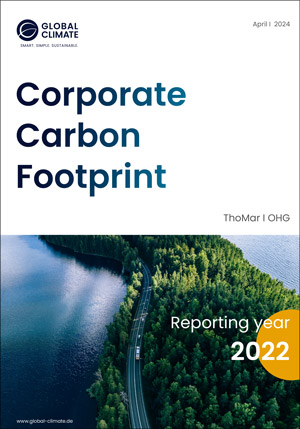
ThoMar receives its first CO2 report from Global Climate. The report is based on the data and consumption figures for 2022 and was prepared in 2023. The result:
- For direct emissions (Scope 1), around 15 t CO2 remain for heating with LPG and petrol for the hybrid company vehicles.
- For indirect emissions in the form of purchased energy (Scope 2), we have already achieved our goal; here, the CO2 report for ThoMar shows no greenhouse gas emissions in its balance sheet.
- Indirect emissions that are not directly controlled by the company, included in Scope 3, account for the largest share of greenhouse gases at around 6,800 t CO2, largely attributable to the production of packaging materials and the transport of raw materials and finished products.
The result confirms our measures towards more sustainable action in recent years and, at the same time, forms the basis for further measures to reduce our CO2 emissions.
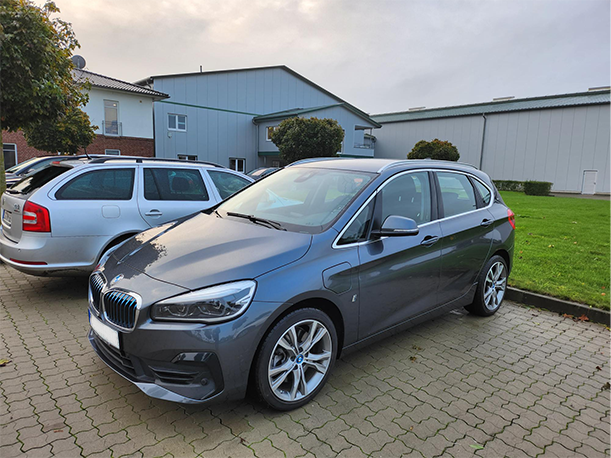
- Promoting low-emission mobility among employees through leasing offers for e-bikes and electric cars
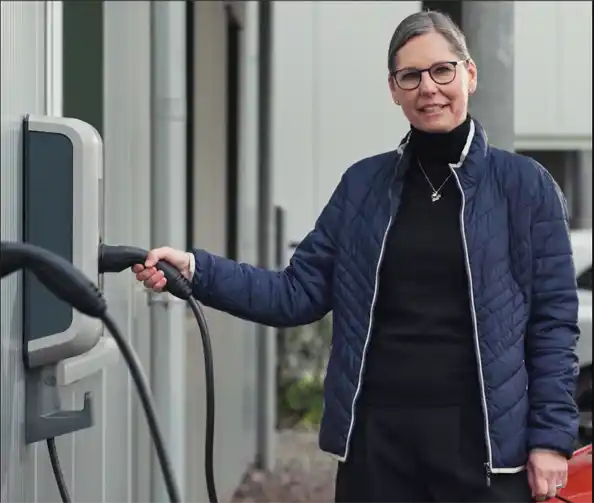
- Free use of charging stations by employees, including for vehicles not leased through the company
- Provision of water dispensers and reusable drinking bottles.
2022
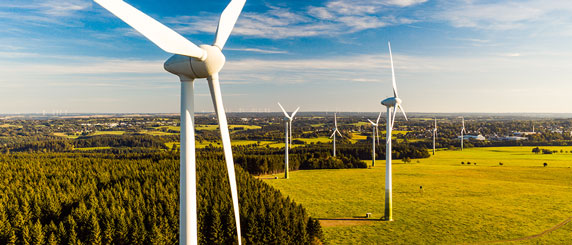
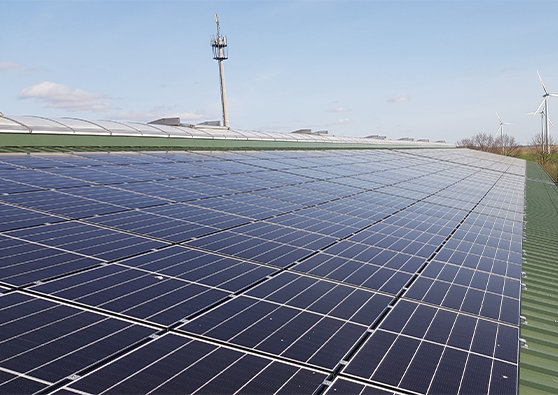
- Additional 163 kWp PV system on the cold storage warehouse roof
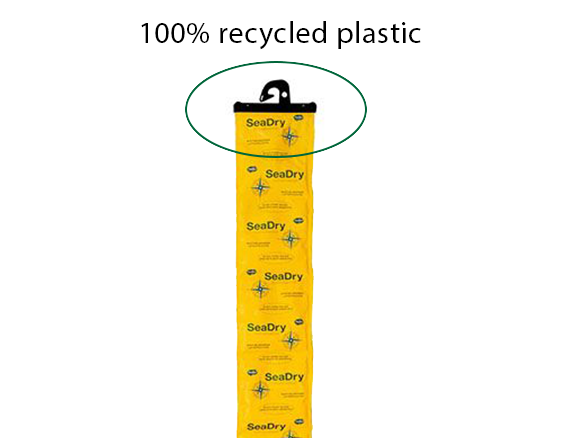
- Processed rigid plastic items made from 100% recyclates
- Paper / cardboard in recycling or FSC quality wherever possible
- Website hosting on servers powered by 100% electricity from renewable energies
2020
- Participation in “Websites supporting climate projects”: This initiative supports external certified climate protection projects.
- Enabling home office for office-based tasks
2013
- Efficiency House 55 as an office building with automatic ventilation and air-to-air heat pump
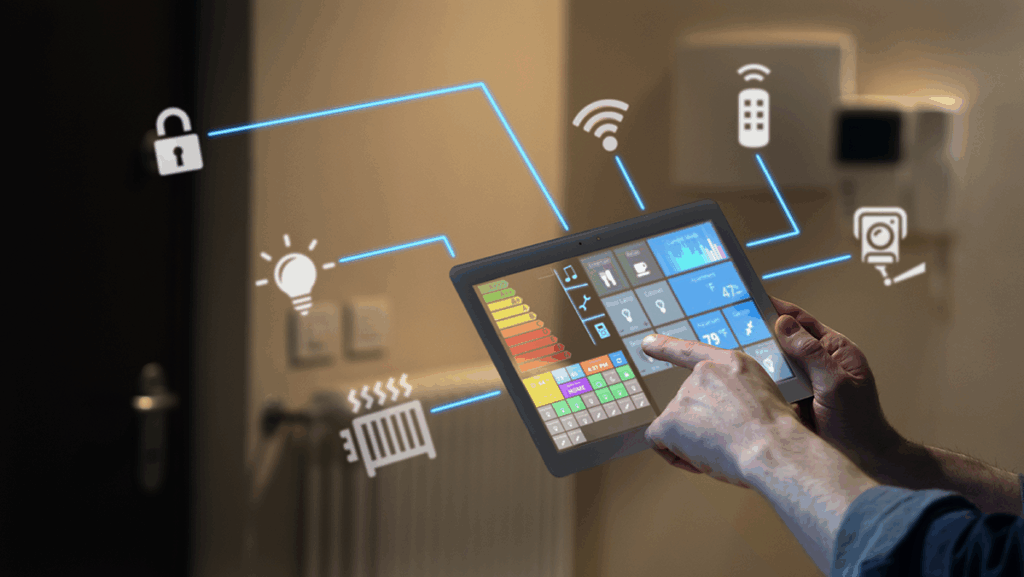
- System bus with presence detectors for demand-based control of heating and lighting in office and production areas
- Faucets with motion sensors to prevent water waste
- Thermally insulated production and storage warehouse (min. 10 cm WLG 035 insulation) and heating from machine waste heat.
- 99 kWp PV system on the production warehouse roof.
- Green and infiltration areas on company premises to relieve the sewage system and water bodies.
- Trees and hedgerows.