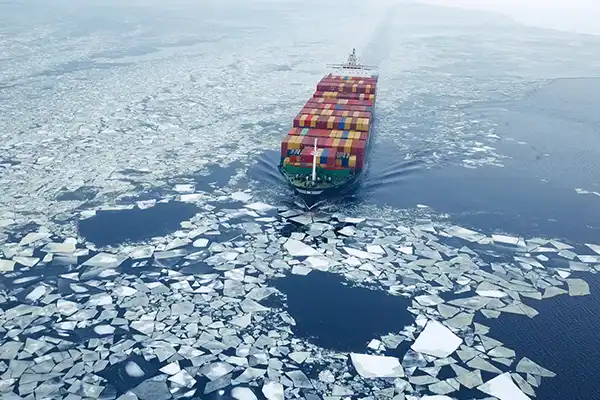


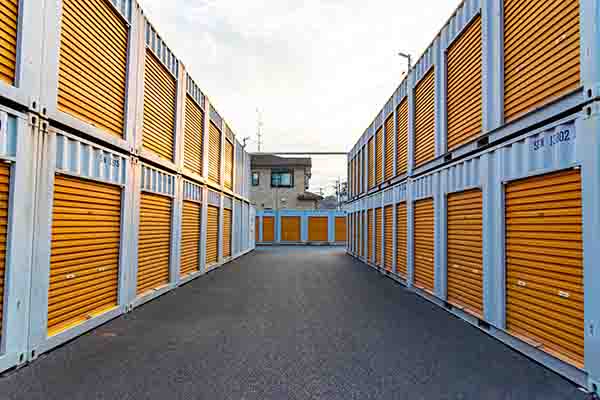
Especially at this time of year, when temperatures during the day are hovering around the 20-degree mark but at night barely make it above freezing, similar damage patterns are a threat even in our temperate latitudes. Why is that?
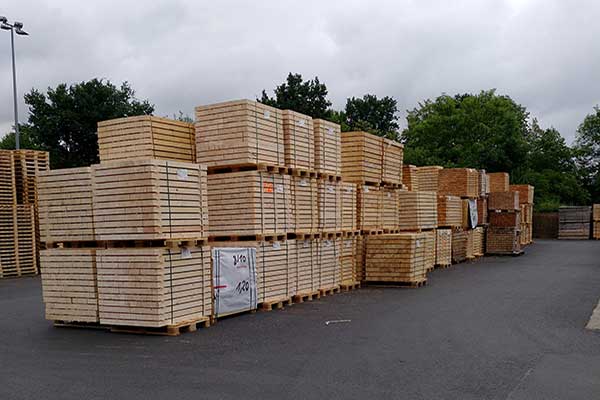
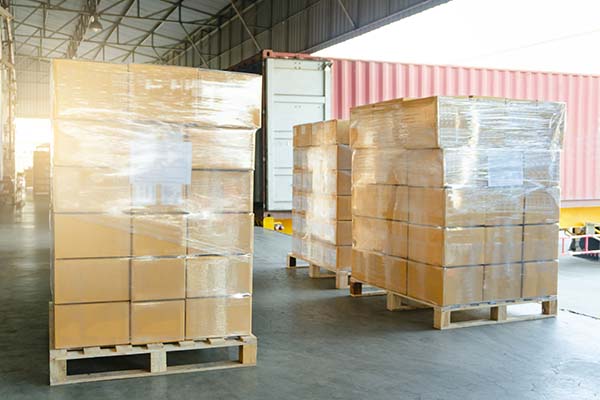
The largest sources of moisture are often the packaging materials used, such as pallets and cardboard boxes, and the goods themselves. In addition, the ambient air always contains a certain amount of moisture in the form of water vapor. The moisture is therefore already contained in the container when it is closed, but is initially “securely” bound.
When the temperature changes, the humidity behaves relative to the temperature. If the temperature drops, e.g. at night, the relative humidity rises to a maximum of 100%. If the temperature continues to fall, the air can no longer hold the moisture and condensation occurs. As warm air rises, the temperature differences are greatest at the container ceiling. This is where the moisture condenses first and rains down on the goods and packaging materials. The colder it gets, the greater the condensation.
When it gets warmer again during the day, the moisture from the goods and packing materials migrates back into the air. The more humid they were when they were loaded or stored, the stronger this effect is. Condensation occurs again the next night.
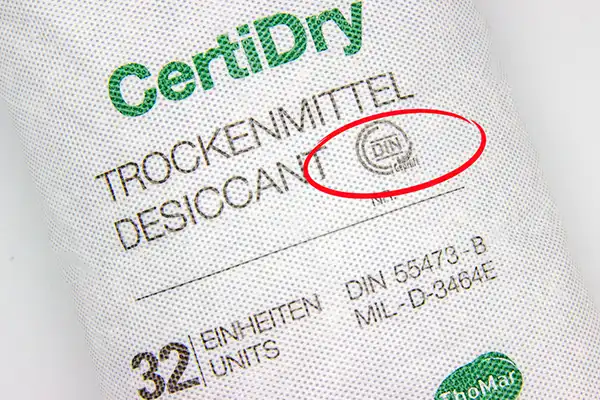
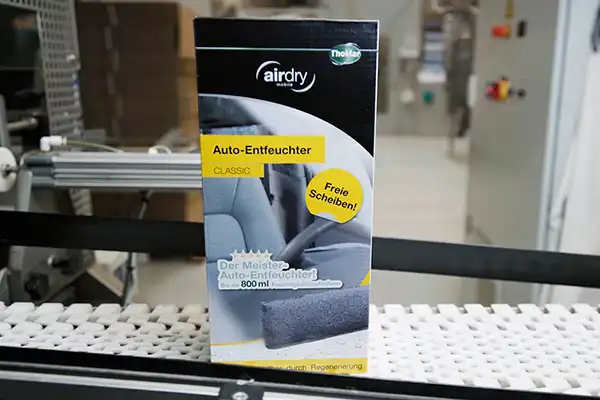
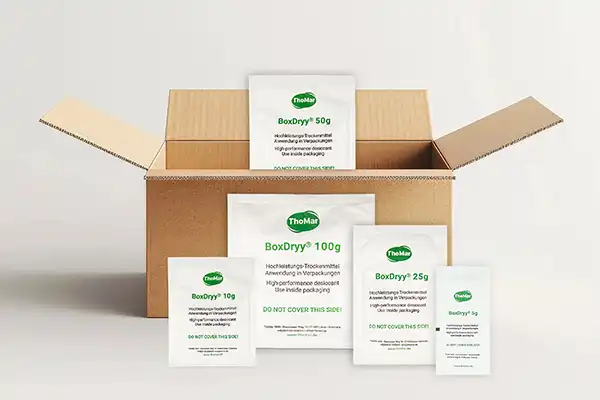
Are you looking for a way to protect yourself and your valuable goods from the scenario described? Get in touch with us – we not only offer you the right desiccant product, but also a solution for your individual application.